
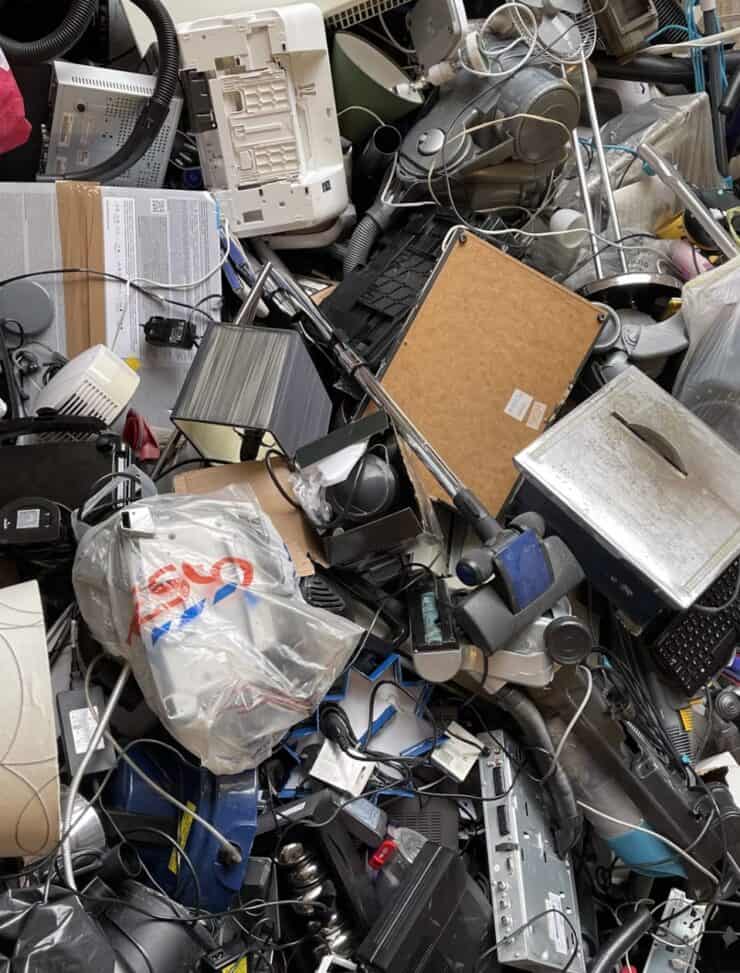
Many households still rely heavily on paper. From bills and statements to printed instructions and forms, these materials stack up over time, often without much thought. Once used, they are thrown away or stored in drawers, gradually contributing to clutter and environmental strain.
The everyday use of paper might seem harmless, but collectively, it adds pressure to landfills, increases waste, and relies on ongoing paper production. What feels like a personal routine can have a much larger environmental cost when multiplied across thousands or millions of homes.
By making small changes and shifting toward digital documentation, households can cut waste, save resources and simplify daily life.
Contents
Moving Paper Documents into the Digital World
Converting physical documents into digital files is a significant step towards reducing paper use. Items such as bank statements, instruction manuals, receipts, medical forms, and schoolwork no longer need to exist in print to be effective or accessible.
Once digitised, these files can be edited, shared, or stored securely. The need to reprint, rescan, or refile disappears. For example, families often revise household budgets several times a year. Doing this digitally means no paper is wasted on minor updates. Additionally, digital versions are easier to update and retrieve on demand. A simple keyword search can replace hours of digging through filing cabinets or drawers.
Tools that convert existing paper or PDF files into editable formats are key to maintaining an efficient paperless routine. Using an Adobe Word converter allows users to turn rigid PDF files into flexible Word documents that can be edited or reused across different tasks without starting over from scratch.
With this approach, households remove the need for printed copies in many daily scenarios. This supports both environmental and organisational goals while streamlining home life.
Understanding the Hidden Cost of Paper
Printed paper carries a burden far beyond the sheets themselves. Every printout requires ink, toner, electricity and time. Ink cartridges and toner packaging often end up in the bin. These items, made of plastic and metal, take many years to break down. Their disposal adds another layer of waste that quietly accumulates.
Even paper that gets recycled involves energy and transport. It must be collected, sorted, cleaned and processed. While recycling is better than landfill, not all paper items are suitable for recycling, and not all communities recycle thoroughly. This means that even with good intentions, a large portion of household paper waste may still end up in incinerators or landfills, adding to pollution and energy consumption.
Digital workflows prevent this process from starting in the first place. They eliminate the need for printing, reduce purchases of related supplies, and shrink the footprint associated with waste management. When used consistently, this method leads to noticeable improvements in how a household generates and handles waste.
Security, Accessibility and Comfort
Security is often raised as a concern when moving personal documents online. But modern cloud services provide robust protection. They use encrypted data transmission, require logins and support multi-step verification. These measures safeguard sensitive files against unauthorised access.
Households can further increase safety by using strong passwords and keeping software updated. Password protection at the file level or storing backups on an external drive can offer peace of mind for extra-sensitive files. Many cloud platforms also offer automatic backups, ensuring documents aren’t lost due to accidental deletion or hardware failure.
Digital tools also help households stay flexible. Shared folders allow multiple family members to access the same documents from different devices. This setup is particularly helpful when managing care responsibilities, coordinating schedules or sharing school documents between parents and children.
If some family members prefer paper, a gradual transition helps. Start with less critical files and introduce digital alternatives over time. As confidence grows, more categories can move online. Creating a central digital hub or dashboard for household files can simplify access and reduce confusion over where documents are stored.
Challenges and Practical Solutions
One barrier to going fully paperless is the requirement for signatures. While some organisations now accept digital signatures, not all do. In these cases, printing and signing only the specific page needed rather than the entire document still reduces overall waste.
Another issue is paper correspondence from companies that do not offer email alternatives by default. However, requesting digital options is often successful, even if these are not widely advertised. Signing up for electronic billing or online communication options prevents future paper from arriving. Proactively checking online account settings for ‘paperless’ preferences can eliminate physical mail before it begins. A few minutes spent updating preferences can save hundreds of sheets each year.
Measuring the Impact at Home
Keeping track of progress can keep the motivation strong. Measuring how much paper was purchased or used over a few months provides a baseline. After switching to digital routines, reviewing usage again helps determine how much has improved.
One method is to count reams or notebooks purchased. If a household regularly uses three reams over three months, reducing this by one ream per quarter demonstrates progress. A simple tracking chart on the fridge or in a shared digital file can help visualise success and encourage everyone to participate.
Families with children can use this process to introduce environmental awareness. Tracking what is saved and discussing how waste is reduced makes the process more engaging and educational.
Moving Towards a Cleaner, Smarter Future
Choosing digital documents does more than reduce physical clutter. It encourages a more thoughtful approach to daily habits. From reviewing a school timetable to renewing an insurance policy, these tasks can all be managed more efficiently without relying on printed paper.
Each time a household skips a printout or avoids a new box of paper, it makes a small contribution to lowering environmental impact. The more this approach becomes second nature, the greater the benefits for both the household and the planet.
Switching to digital documents helps reduce household waste and landfill impact without disrupting everyday life. It brings order, convenience, and sustainability into your daily routines. Over time, this shift can contribute to a larger cultural change, where paper is no longer the default and digital literacy becomes the norm at home.