
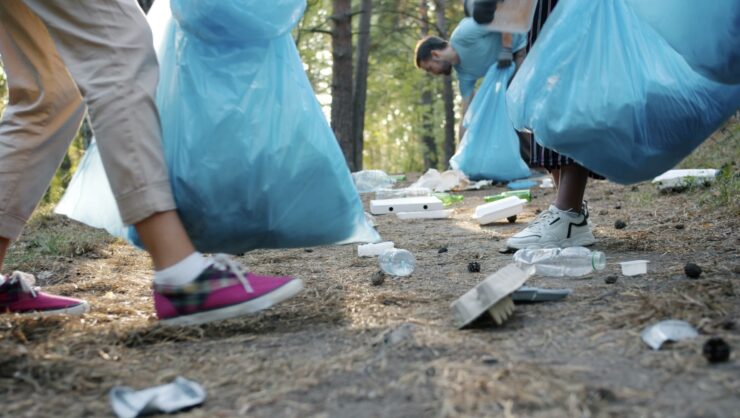
Heavy trash days in Texas look different from one neighborhood to the next. Some cities offer curbside bulk pickup once a month, while others host community cleanup events where residents can drop off everything from metal shelving to old mattresses. In many areas, homeowners line the curb with piles that grow larger each year as families tackle garage cleanouts, shed purges, spring cleaning, renovation debris, and furniture upgrades.
No matter how your local schedule works, most Texans want to recycle what they can before sending anything to the landfill. Proper sorting saves money, protects city systems from overload, and keeps unnecessary waste out of landfills that are filling faster than the state expected. Good habits during heavy trash weeks help reduce strain on collection crews, preserve valuable landfill space, and give residents confidence that they are doing their part.
Contents
- 1 Texas Has a Waste Problem Bigger Than Most Residents Realize
- 2 What Texans Can Recycle During Heavy Trash or Cleanup Events
- 3 Items That Cannot Be Recycled in Most Texas Cities
- 4 Why Sorting Matters More in Texas Than You Might Think
- 5 How Texans Can Plan Ahead for Successful Cleanup Weeks
- 6 What Texans Can Do When Cleanup Volumes Get Too Large
- 7 Final Tips for Texans Preparing for Heavy Trash Days
Texas Has a Waste Problem Bigger Than Most Residents Realize
Texas leads the nation in landfill volume, which surprises many people who assume the state has enough land to absorb endless amounts of waste. The reality is that much of the material piling up in Texas landfills comes from simple household clutter. Items that could have been recycled, donated, or reused often end up in the wrong waste stream.
Houston’s recycling contamination rate has hovered around twenty percent in recent years. That number represents a huge amount of recyclable material that ends up discarded simply because it was mixed with items that do not belong in recycling bins. Once contamination reaches a certain level within a load, the entire pile is diverted to the landfill.
Cities surrounding Houston, including Katy, fall into the same regional pattern. Rapid population growth in Fort Bend County and surrounding areas has increased the volume of heavy trash, bulk items, and renovation waste placed at the curb. When residents understand what qualifies for recycling and what does not, it makes a real impact on how cities manage high-demand cleanup programs.
What Texans Can Recycle During Heavy Trash or Cleanup Events
Cleanup rules vary by city, but most Texas communities follow similar recycling and diversion guidelines. When residents sort correctly, cities can process more materials, send fewer items to the landfill, and keep bulk pickup routes on schedule.
Below are the most common items accepted for recycling during or around heavy trash periods.
Metal Items
Metal is one of the most valuable recyclables in Texas. During large cleanouts, garages and sheds often produce:
- Metal shelving
- Hand tools and yard tools
- Swing set and playground parts
- Old grills without tanks
- Bed frames
- Metal fencing pieces
Scrap yards and regional recycling partners rely on these metals because they can be processed repeatedly without losing quality. For residents, separating metal is one of the easiest ways to reduce landfill volume during cleanup week.
Cardboard and Paper
Cardboard and paper products make up a large percentage of household waste. Fortunately, they are accepted year-round at most drop-off centers and are simple to prepare.
Acceptable items include:
- Moving boxes
- Shipping boxes
- Packaging inserts
- Catalogs
- Clean paper
Flatten boxes before setting them out so they are not counted as bulk waste. Keeping cardboard dry is also important. If it becomes damp the night before pickup, it often cannot be recycled.
Clean Wood
Some cleanup events accept unpainted and untreated wood from small projects. This might include:
- Clean lumber scraps
- Uncoated boards
- Wooden pallets
- Untreated fence pickets
Mulching facilities sometimes accept clean wood as well. The important detail is that the wood must not be coated, stained, or chemically treated.
Rigid Plastics
Certain facilities in Texas accept large plastic items that do not fit into standard curbside recycling bins. Examples include:
- Outdoor toys
- Hard plastic patio items
- Large storage bins
- Buckets and containers
Because each city handles rigid plastics differently, it is best to check local guidelines before loading the truck. Some events have separate collection lines for bulky plastics.
Glass at Designated Drop-Off Locations
Many Texas cities do not accept glass in curbside recycling bins, but glass is still recyclable. Cities often provide designated drop-off bins located at parks, public works facilities, or recycling centers.
Residents should separate:
- Bottles
- Jars
- Food-safe glass containers
Glass should always be clean and free of lids or caps.
Items That Cannot Be Recycled in Most Texas Cities
Even though Texans want to recycle as much as possible, certain materials cannot be processed by local facilities. Attempting to recycle these items usually leads to contamination that forces cities to landfill full truckloads.
Below are the most common items that should never be placed in recycling during heavy trash weeks.
Treated or Painted Wood
Items such as:
- Deck boards
- Fence panels
- Painted trim
- Stained lumber
These materials cannot be recycled because coatings and chemicals interfere with processing. They are almost always classified as landfill waste.
Wet or Moldy Furniture
Storms, humidity, and garage leaks often damage furniture before cleanup day arrives. Once fabric, padding, or wood components are wet or moldy, the entire item must be landfilled. Sorting crews and recycling centers cannot process contaminated household items.
Electronics During Bulk Pickup
Bulk crews do not handle electronics. These should be taken to designated drop-off programs that specialize in:
- Phones
- Tablets
- Computers
- Printers
- Televisions
- Small appliances
Most Texas counties offer electronics recycling events several times a year.
Mixed or Bonded Materials
Anything made from multiple materials bonded together is difficult or impossible to separate. Examples include:
- Composite boards
- Foam-backed carpet
- Certain patio furniture
- Laminated items
- Roofing materials
These always go to landfill unless your city offers a specialty diversion program.
Why Sorting Matters More in Texas Than You Might Think
Texas has one of the fastest-growing populations in the United States. More people means more bulk pickup, more renovation debris, and more curbside piles during cleanup weeks. When residents mix recyclable and non-recyclable items together, contamination increases and entire piles must be rejected.
Proper sorting helps cities:
- Keep recycling lines moving
- Protect equipment from damage
- Reduce operating costs
- Extend landfill life expectancy
- Avoid delays in heavy trash routes
Even small improvements from families in Katy, Houston, and surrounding communities make bulk collection more efficient.
How Texans Can Plan Ahead for Successful Cleanup Weeks
Heavy trash days always go more smoothly when residents prepare. A little planning prevents last-minute confusion and saves time on the curb.
Helpful strategies include:
- Sorting recyclables first
- Keeping donation-ready items clean
- Breaking down cardboard early
- Calling public works to confirm limits and schedules
- Staging metal in one pile
- Keeping electronics completely separate
When everyone on the street follows the same rules, crews finish faster and cities avoid wasteful reroutes.
What Texans Can Do When Cleanup Volumes Get Too Large
Major cleanouts often produce more debris than expected. When garages, attics, or sheds are emptied all at once, sorting becomes harder and piles grow quickly. In the Katy area, many homeowners choose a dumpster rental Katy TX option during heavy cleanup periods. A container on-site makes it easier to:
- Keep wood, metal, cardboard, and trash separated
- Prevent loose debris from blowing around
- Stay organized during multi-day projects
- Avoid curbside rejection for oversized piles
A container also reduces the number of trips to city drop-off stations and helps ensure that recyclable materials remain in good condition.
Final Tips for Texans Preparing for Heavy Trash Days
- Set recyclables aside first
- Call your city’s public works office to confirm accepted materials
- Keep electronics separate
- Flatten cardboard
- Place metals together
- Save mixed debris for landfill disposal
A little preparation goes a long way. When residents recycle correctly during heavy trash or cleanup weeks, Texas benefits, cities benefit, and families end up with cleaner homes, less clutter, and smoother disposal days.